
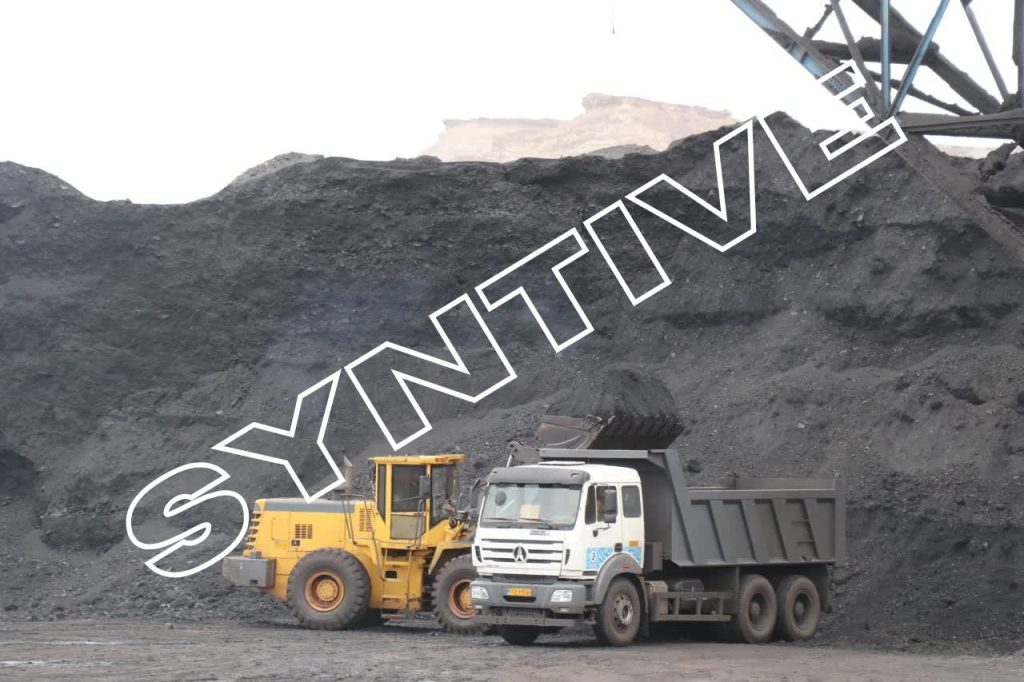
Clean thermal coal
Clean thermal coal is a forward-looking approach to coal-fired power generation that aims to minimize the environmental impact typically associated with traditional coal combustion. This strategy employs advanced technologies and sustainable practices to reduce greenhouse gas emissions, enhance energy efficiency, and mitigate other environmental consequences linked to coal power plants. The need for clean thermal coal is evident in the face of mounting environmental concerns, including greenhouse gas emissions, air quality degradation, water usage and contamination, and land reclamation issues. Furthermore, it serves to address energy security concerns given the continued demand for energy and the reliability of coal as a power source. Economically, it holds the potential for job creation and, in some cases, can help stabilize energy costs.
Clean thermal coal relies on various cutting-edge technologies and practices to achieve its goals. These encompass Carbon Capture and Storage (CCS) technologies, high-efficiency combustion methods like supercritical and ultra-supercritical boilers, fluidized bed combustion, and integrated gasification combined cycle (IGCC). Additionally, the approach includes co-firing coal with biomass, emission control technologies such as electrostatic precipitators and flue gas desulfurization, and water management and recycling systems. Real-world success stories from projects like the Petra Nova Carbon Capture Project in the USA, the Boundary Dam Carbon Capture Project in Canada, and clean coal initiatives in China and India further illustrate the viability of clean thermal coal.
Policy and regulation play a pivotal role in promoting the adoption of clean thermal coal technologies. International agreements such as the Paris Agreement and the Kyoto Protocol, along with national regulations, set emission standards, provide incentives for clean coal technologies, and, in some cases, phase out traditional coal plants. Nevertheless, there remain significant challenges and barriers to the widespread adoption of clean thermal coal. These challenges include high capital costs, technical obstacles, public perception, and the transitional period required for the transformation.
The benefits of clean thermal coal, however, are substantial and include reduced greenhouse gas emissions, improved air quality, enhanced energy security, and economic advantages. Looking to the future, ongoing research and development in advanced technologies, carbon utilization, and global collaboration will continue to shape the landscape of clean thermal coal. This innovative approach holds promise in the quest for a sustainable and environmentally responsible energy sector, bridging the gap between traditional coal-fired power generation and the growing need for cleaner energy sources as we transition toward a more sustainable energy future.
At Syntive, we take pride in being your trusted supplier of clean thermal coal, delivering sustainable energy solutions that prioritize environmental responsibility and efficiency. Our commitment to providing high-quality clean thermal coal is grounded in the belief that coal, when processed and used responsibly, can play a vital role in the transition to a cleaner, more sustainable energy future. We employ advanced technologies and adhere to stringent environmental standards to ensure that our clean thermal coal not only meets your energy requirements but also minimizes its impact on the environment. By choosing Syntive as your clean thermal coal supplier, you are making a conscious choice to reduce greenhouse gas emissions, improve air quality, and contribute to a more sustainable and eco-friendly energy landscape.